
Sellina
The most flexible B2B / B2C sales system on the market.
Learn more about Open-SaaS features that will convince you that Sellina is the most flexible e-commerce system on the market.
Sellina
What benefits does Sellina bring to your business?
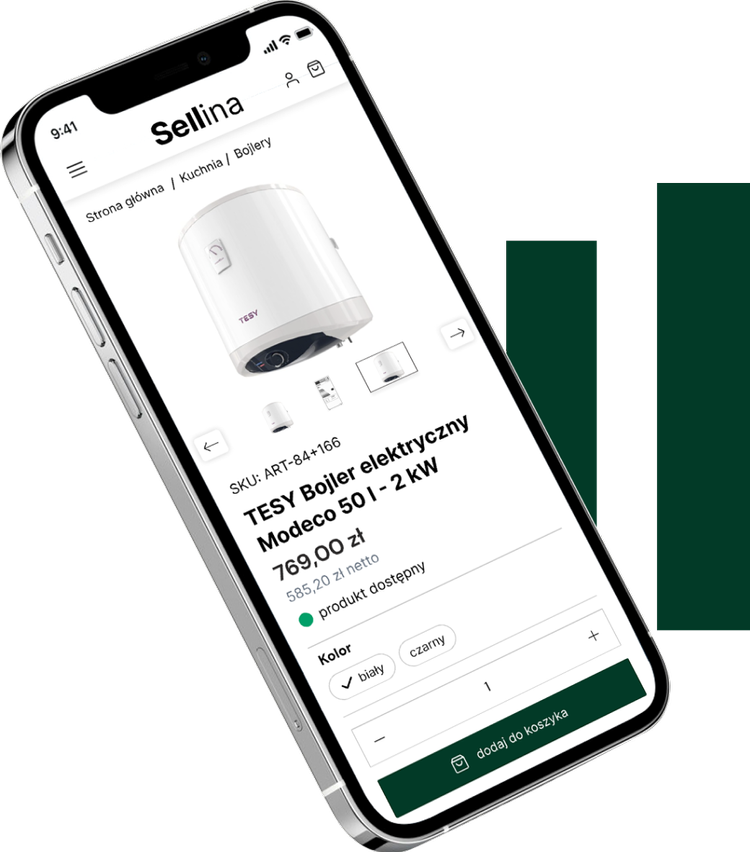
Sellina is a complete B2B/B2C eCommerce system, allowing unlimited customization to your business, launching in a few weeks and at a lower cost compared to alternative solutions.
Fast store operation and improved UX = more sales
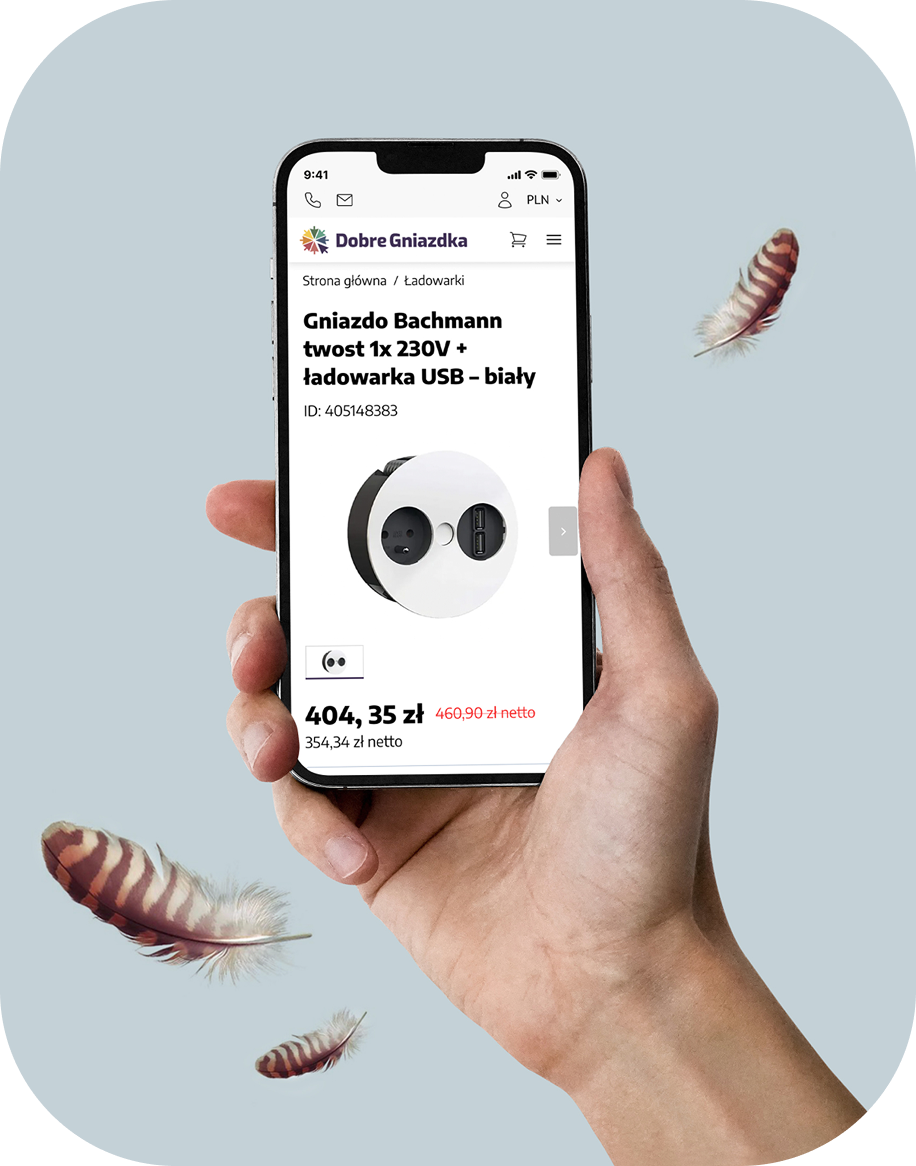
Basing the store's frontend on headless technology means users will experience a very fast store experience. Store migrations we've conducted to this technology have seen a 29% increase in conversion rates.

Freedom to adapt the store to your business model
The store engine's Magento 2 foundation means we can freely and without limitations adapt the store to your needs. This applies particularly to functionalities related to B2B trading, configurator implementations, and dedicated integrations.
Short implementation time (4 weeks)
Implementing a basic store version that allows for sales launches takes four weeks. However, please note that optional integrations (e.g., with an ERP system) or expanding the store with dedicated functionality require estimation.


Freedom of choice of contractor (no Vendor-Lock)
The license agreement we provide allows for unlimited changes to the contractor, and the system documentation we provide and the use of popular technologies (Magento 2 and React) make implementing a new team significantly easier than with competitive solutions.
Implementation costs are over ⅓ lower than those of similar solutions based on Magento 2
For the Magento 2 system, which utilizes headless technology to guarantee comparable performance capabilities, the implementation cost is at least 1/3 lower than comparable solutions on the market. This is due to the fact that we offer the base store as an "out-of-the-box" solution, allowing us to reduce the cost of implementation for a larger customer base.

Extensive store database with warranty
The basic version of Sellina is an extensive e-commerce system . We provide a warranty that you can extend indefinitely.
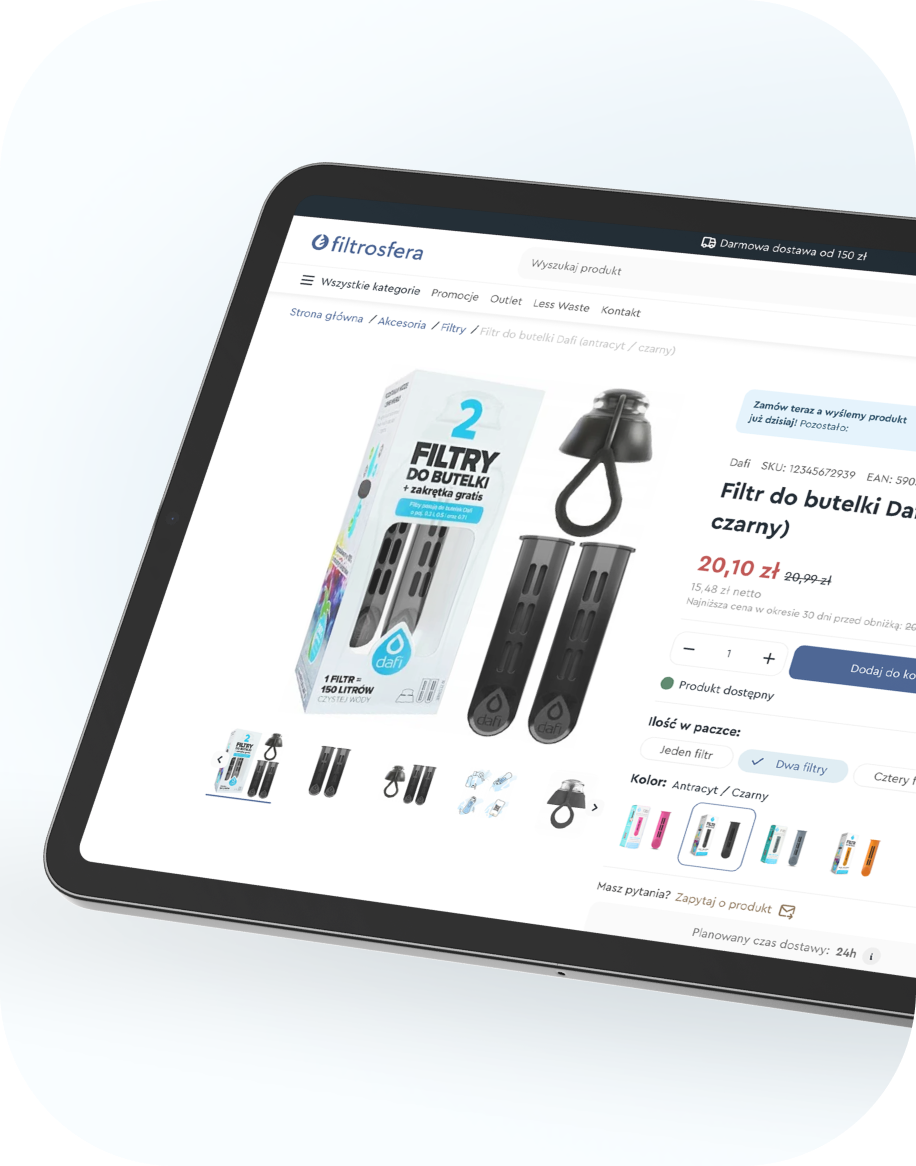
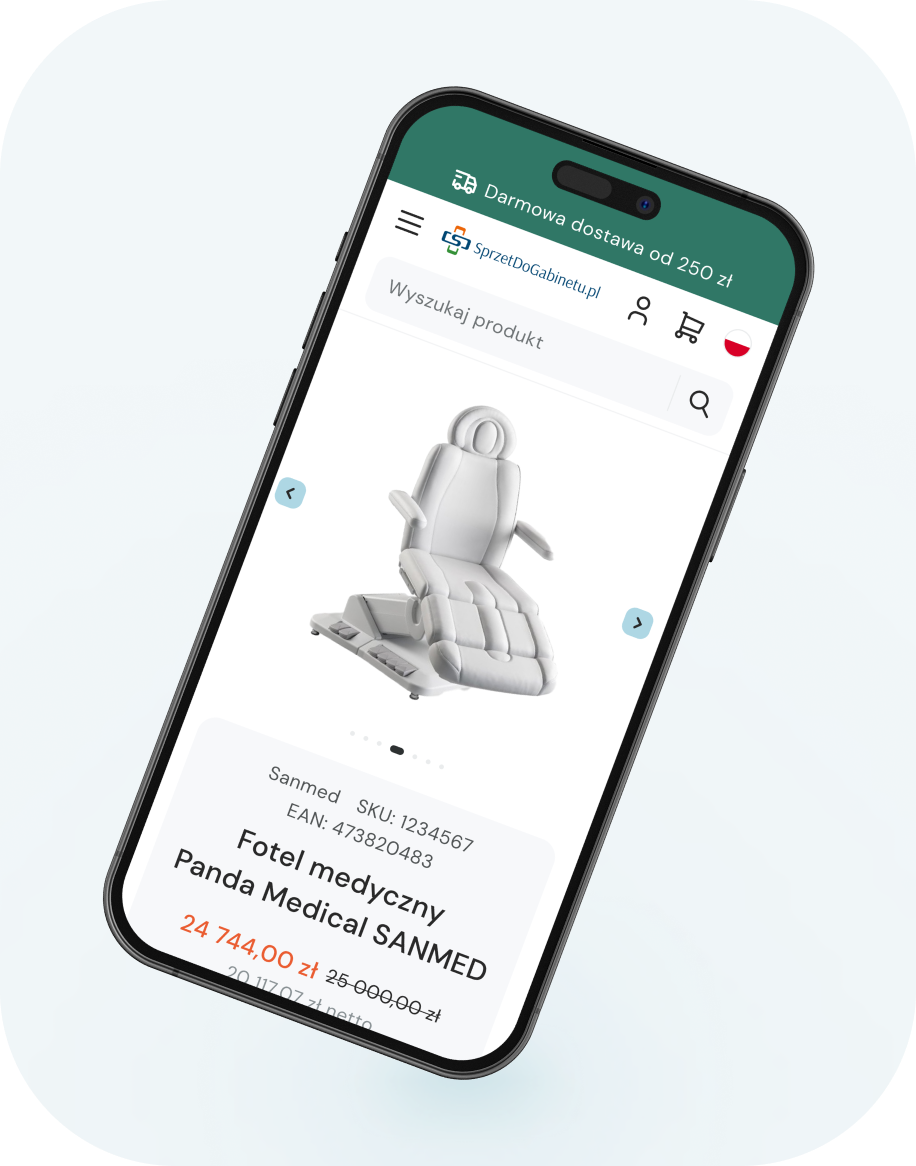
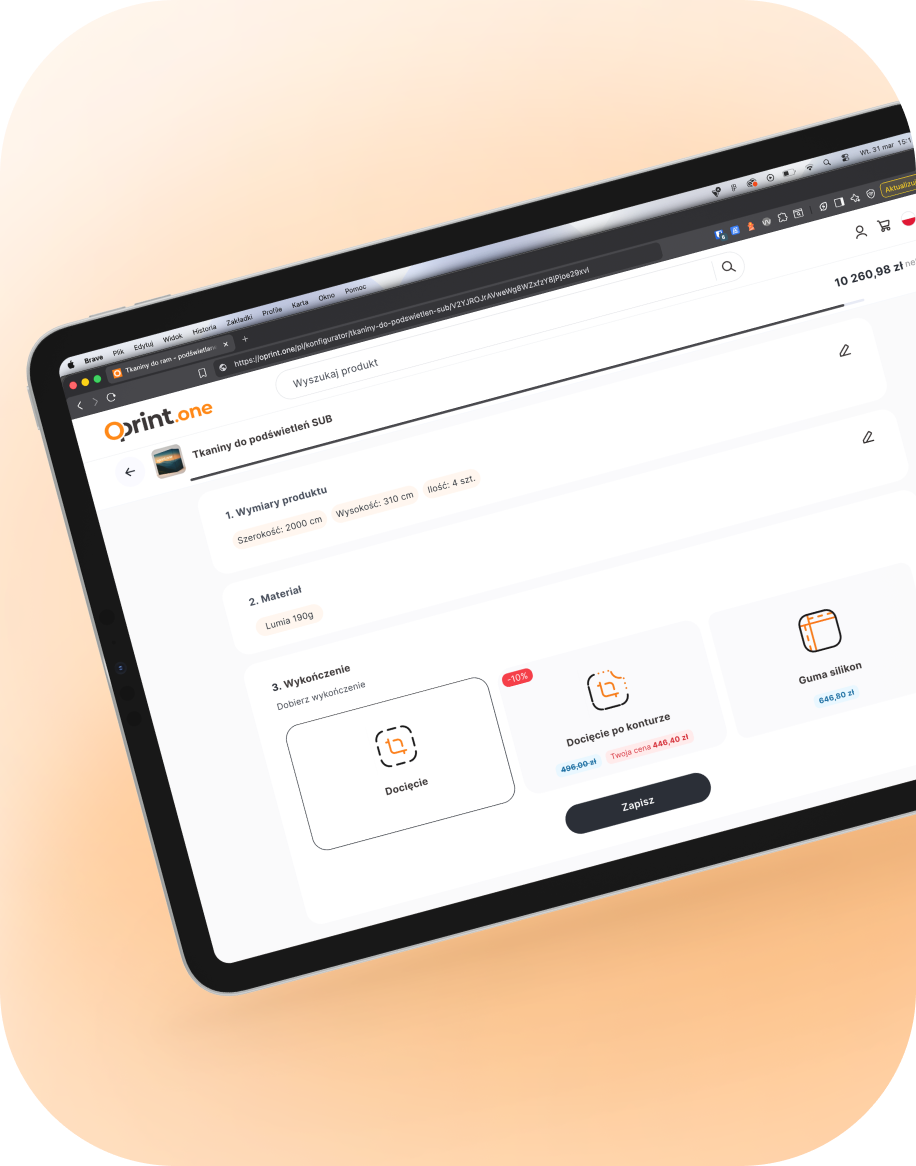
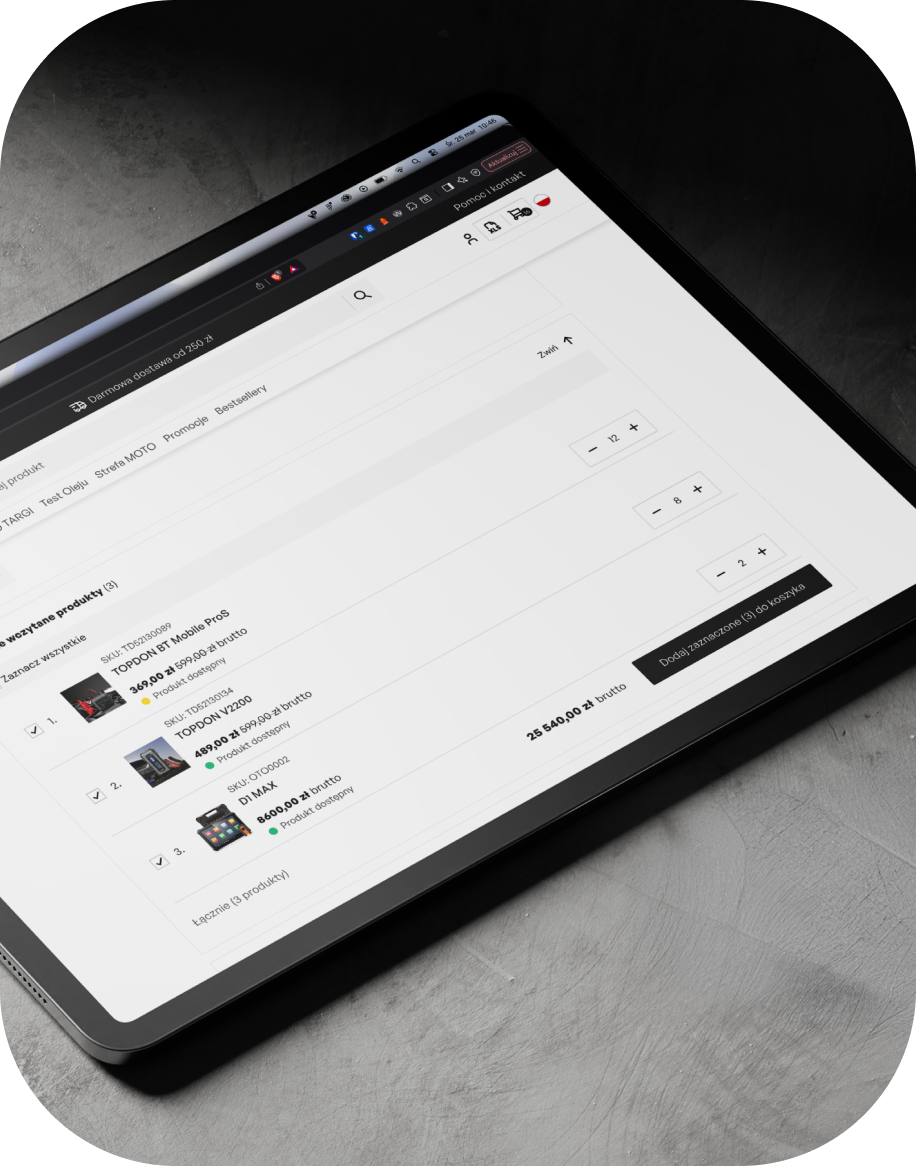
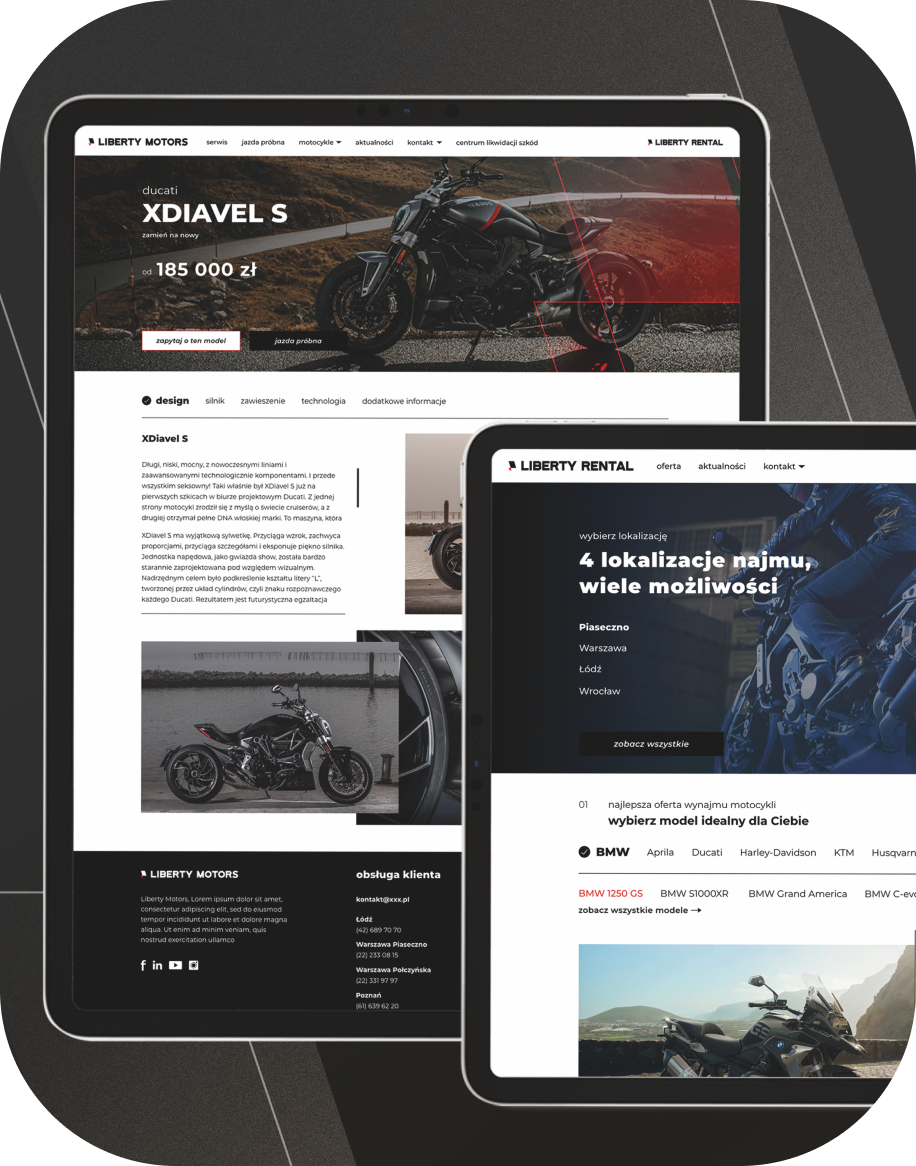
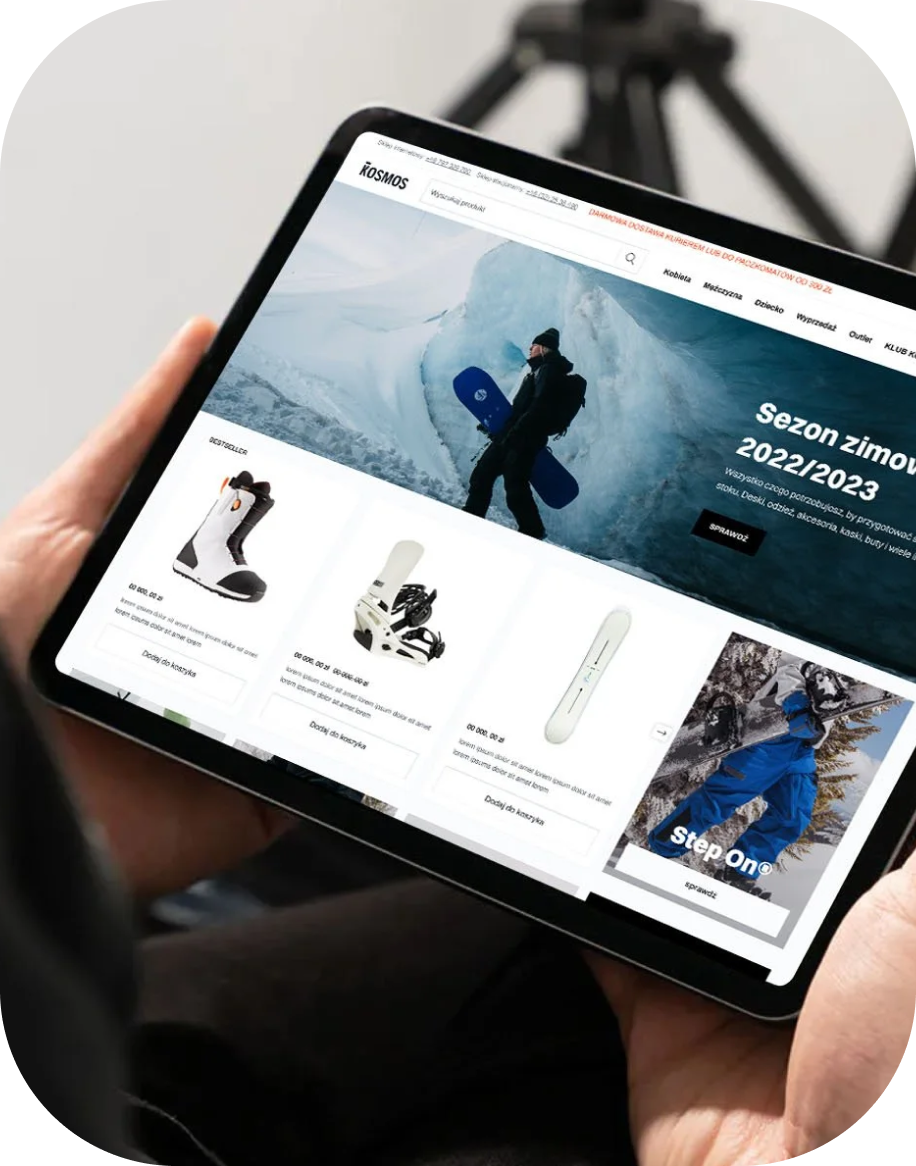
Discover our Sellina implementations
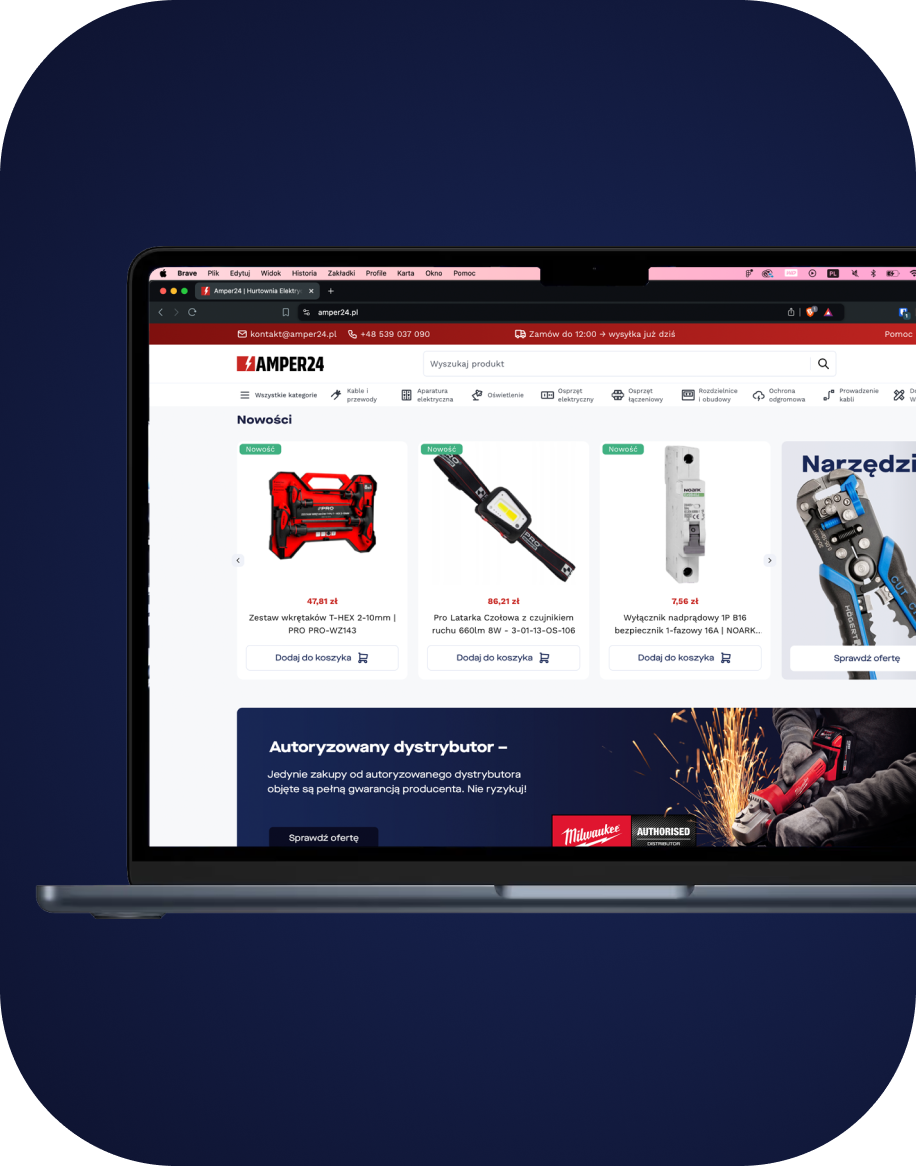
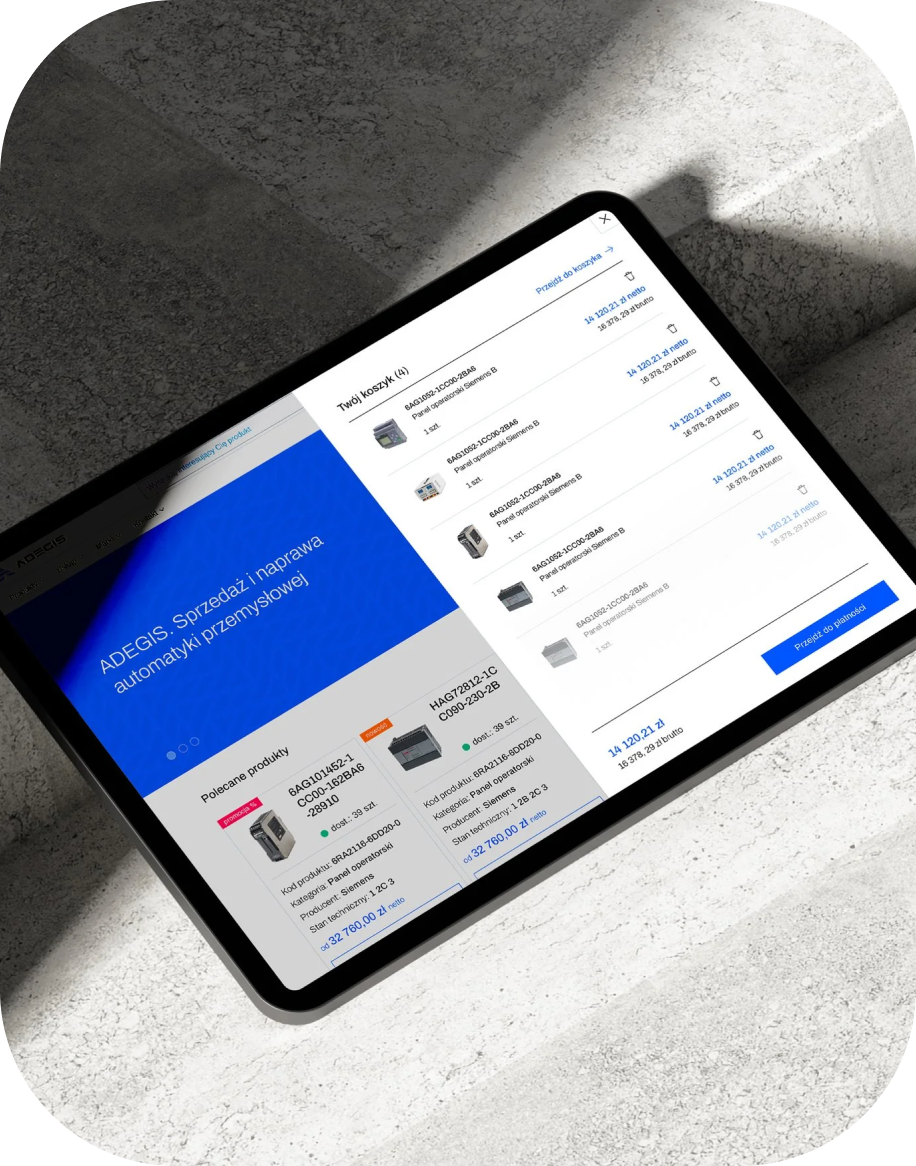
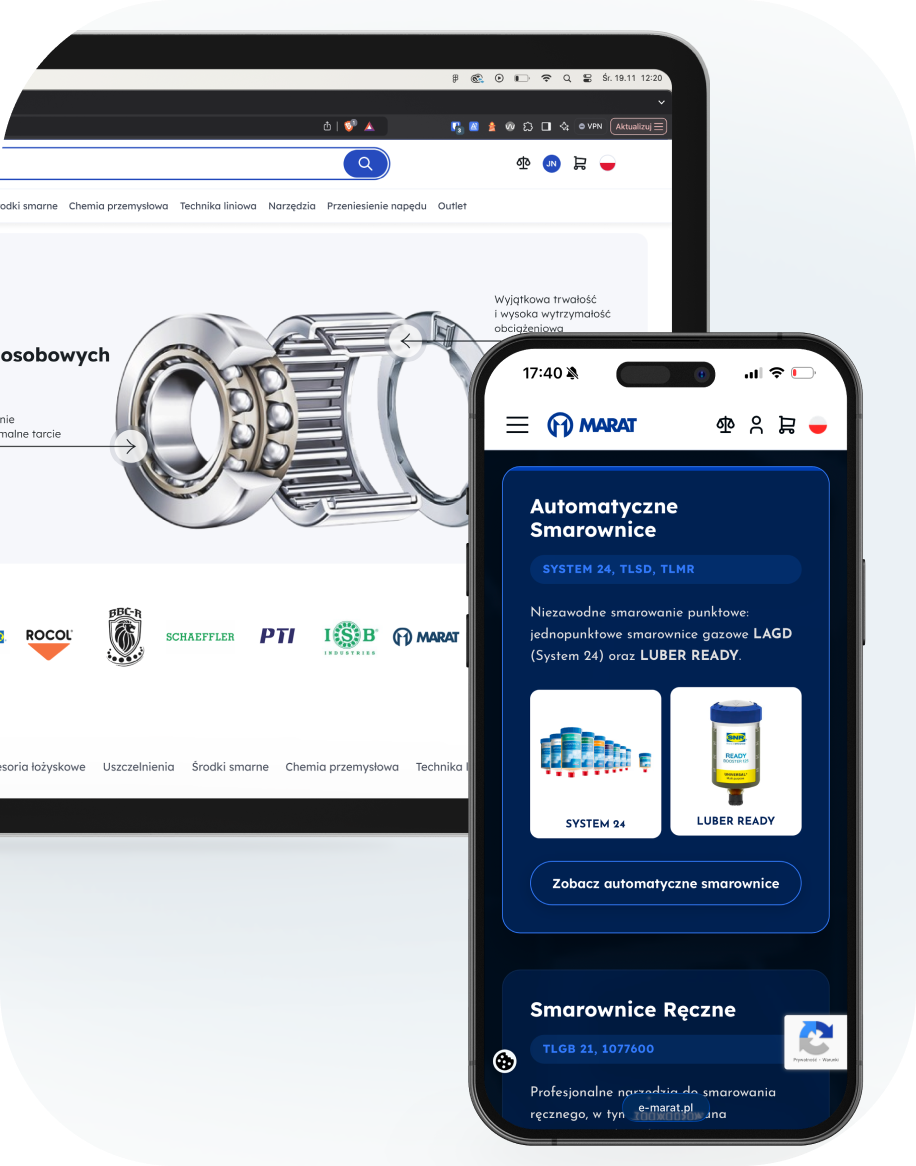
See all case studies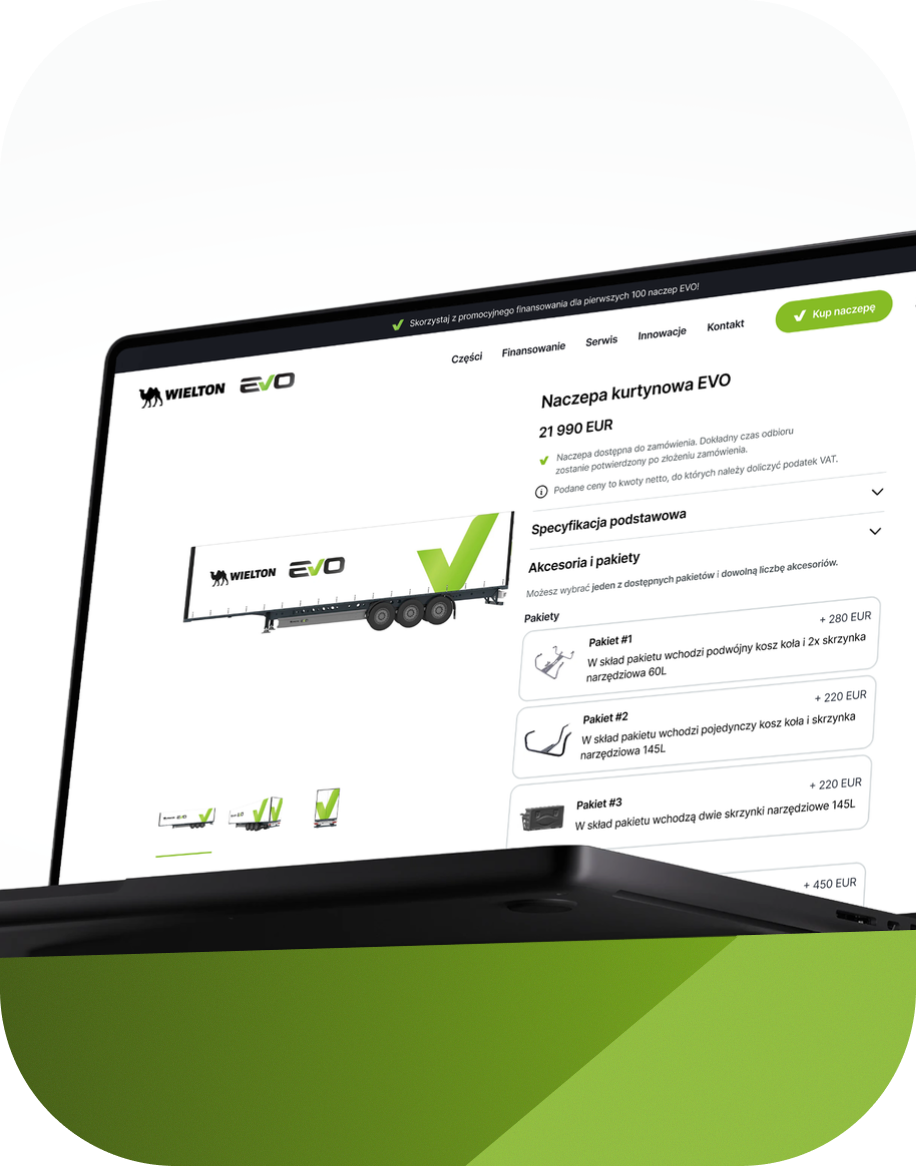
Experience
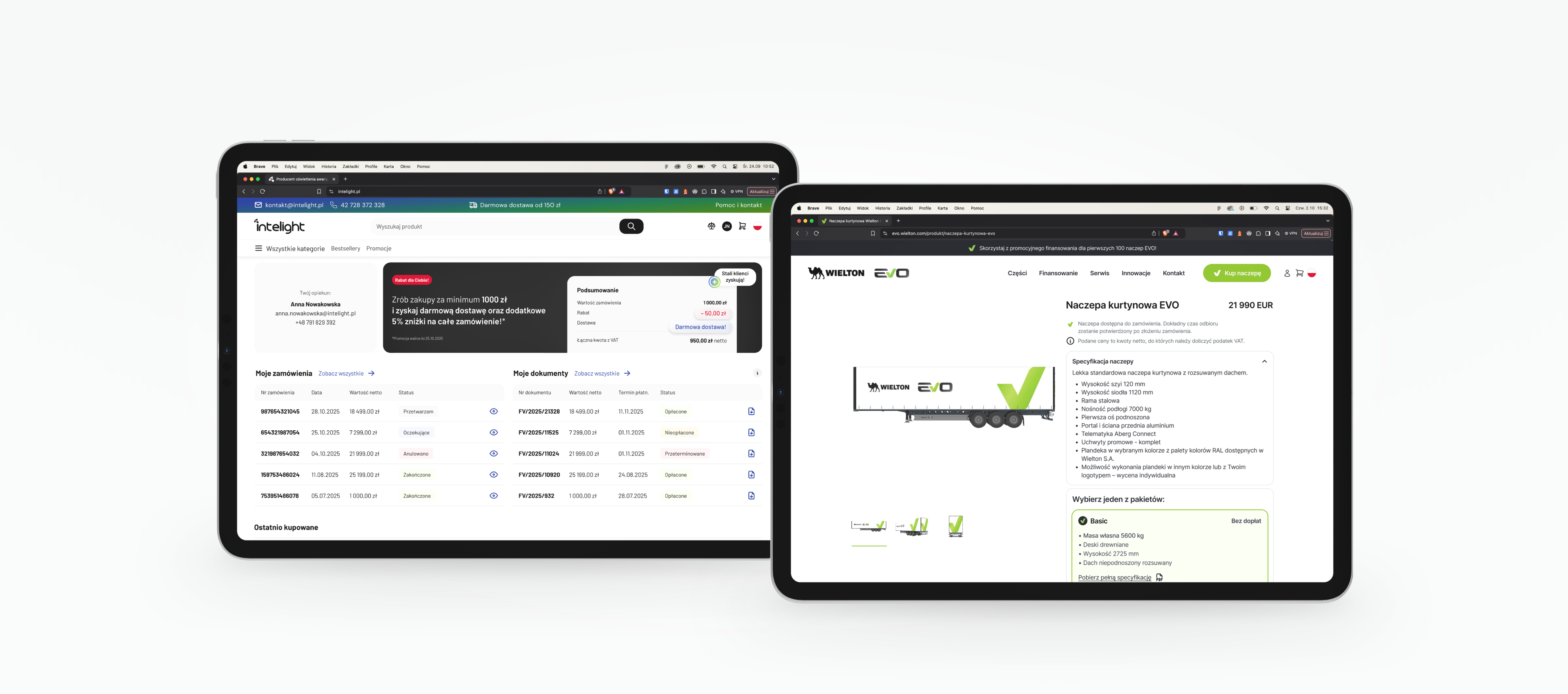
Intermediary database
The biggest challenge is connecting the e-commerce platform to the ERP system. Pre-made plugins or API integrations implemented by ERP integrators often lead to delays and data transfer issues.
A way to simplify this process, which generates savings and speeds up the process for the integrator, is to use an intermediary database (a so-called data bus). This is an external database to which we send key data from Sellina. Thanks to its simple structure and good documentation, integration with ERP is much easier and more efficient.
What features of Sellina make it the best B2B/B2C trading system?
The only Open-SaaS on the Polish market. How did we achieve this?
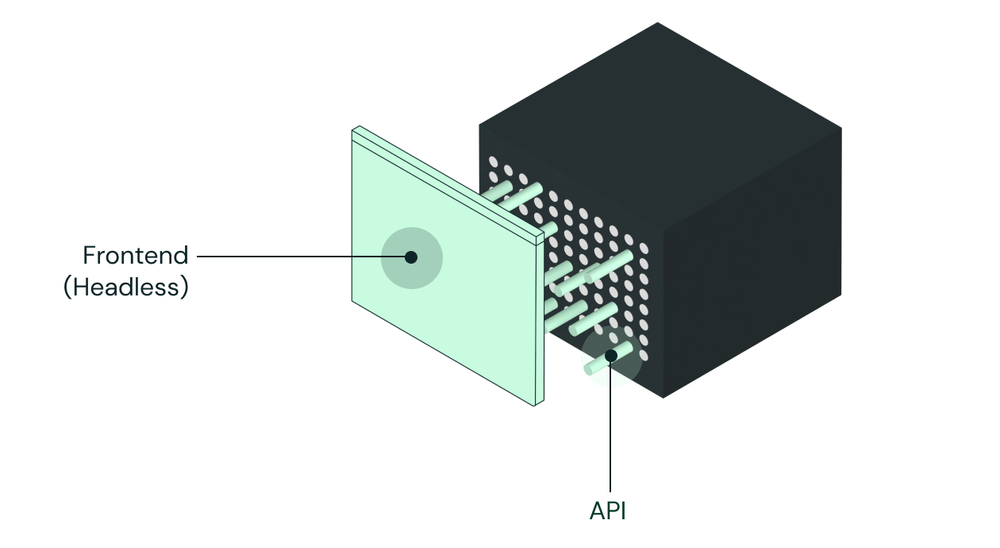
We created a solution that was previously impossible. Combining our experience implementing Magento 2 , developing a headless application, and adopting a liberal licensing policy allowed us to create a product that combines open source and out-of-the-box (SaaS) solutions.
This is how a system was created that combines the benefits of Open Source and SaaS systems.
SaaS features in the Sellina system
• Headless store frontend, written in React – one of the two most popular frontend languages in the world.
• API based on the API Platform framework.
• Default infrastructure configuration.
Benefits of SaaS features:
• the lowest implementation costs in this class of systems e-commerce,
• guarantee,
• short implementation time,
• large base of functionalities to start with.

Have any questions?
Get to know the Open-Saas solution even better!
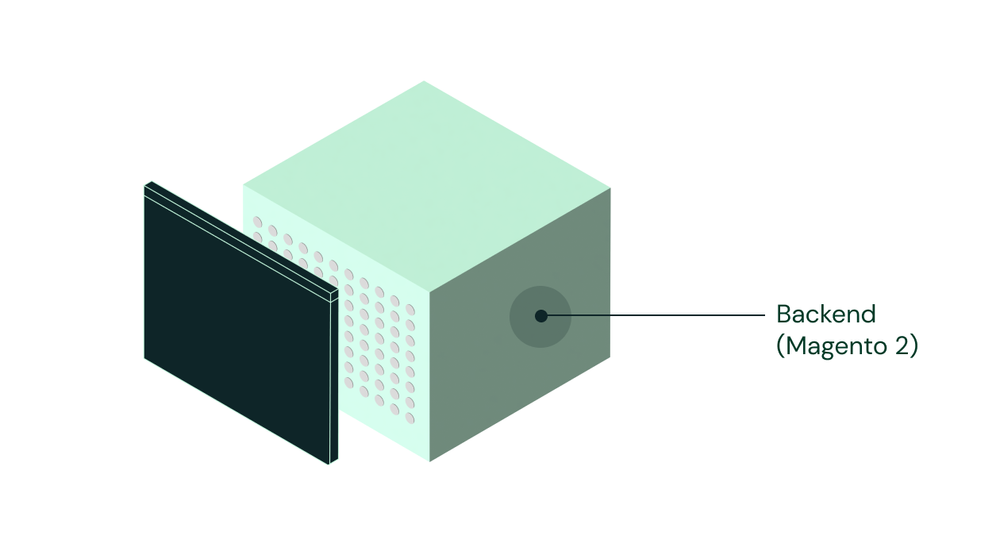
Open Source Features of the Sellina System
Backend system based on the Magento 2 engine, the most popular system e-commerce Open Source, offering unlimited development possibilities and able to handle high traffic, extensive product catalogs, and advanced functionality expansion.
Benefits of using Open Source:
• independence – no Vendor Lock,
• unlimited possibilities of adaptation and development,
• performing any integrations.
Solution for e-commerce B2B and B2C
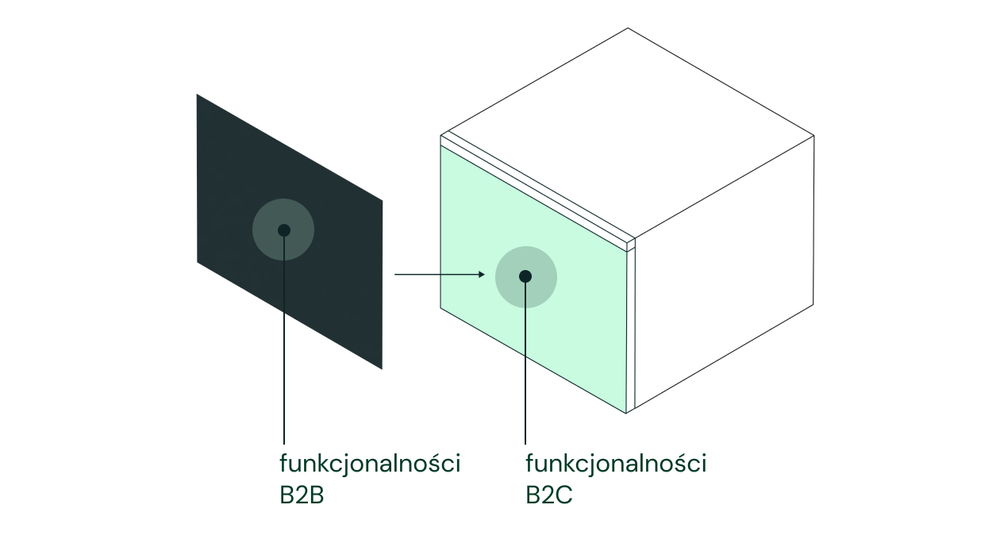
A system combining the functionalities of B2B and traditional systems e-commerceB2C 's.
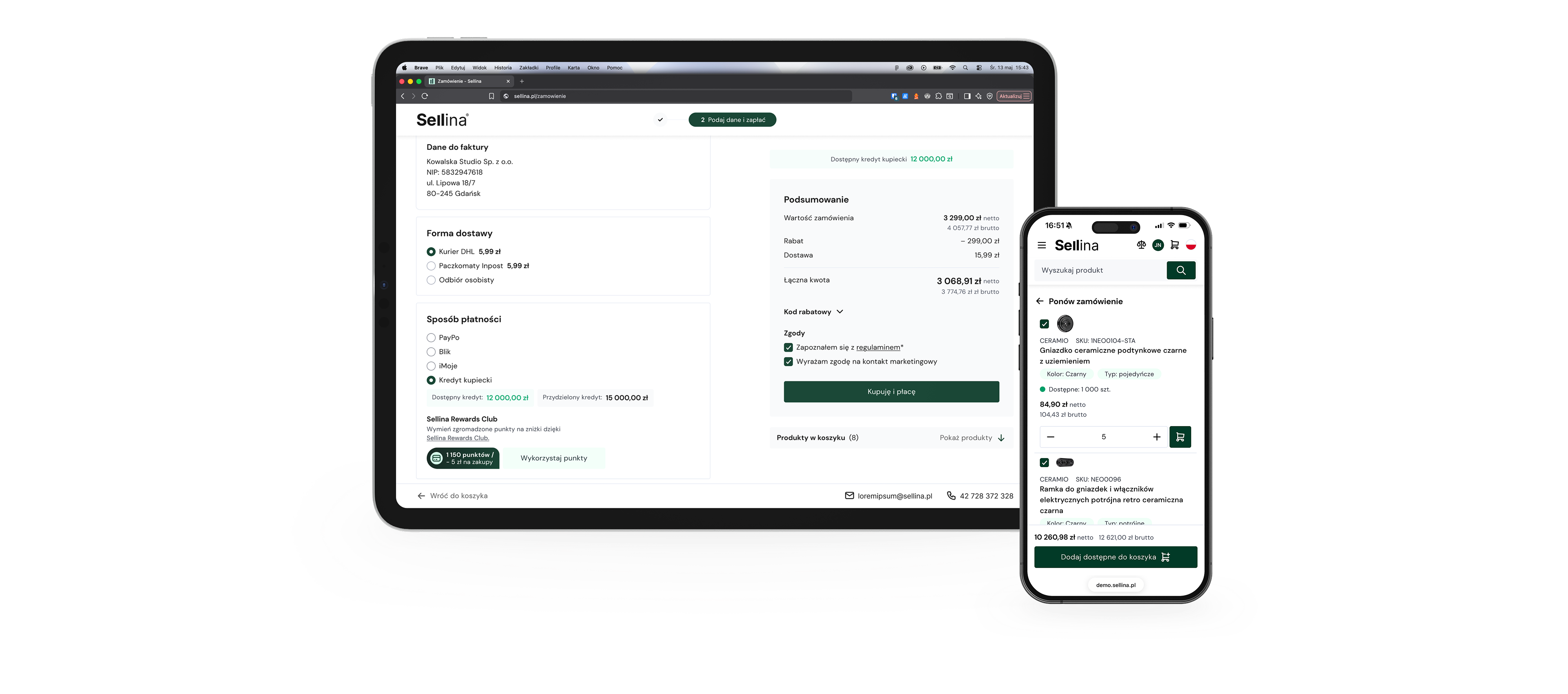
Sellina enables the implementation of any functionality serving B2B and B2C customers, including:
• sales to distributors and business customers,
• dedicated price lists,
• trade credits,
• other dedicated functionalities.
We combine the best technologies
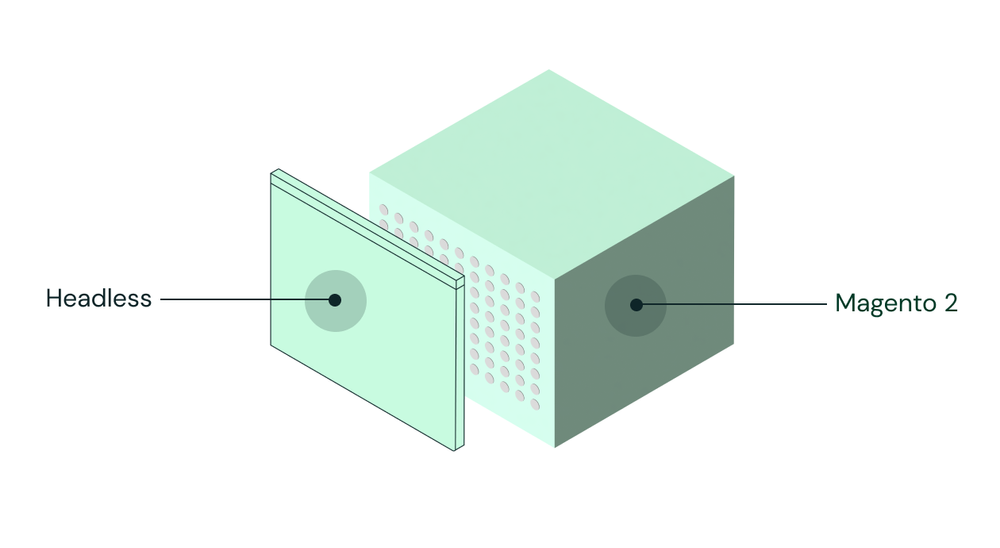
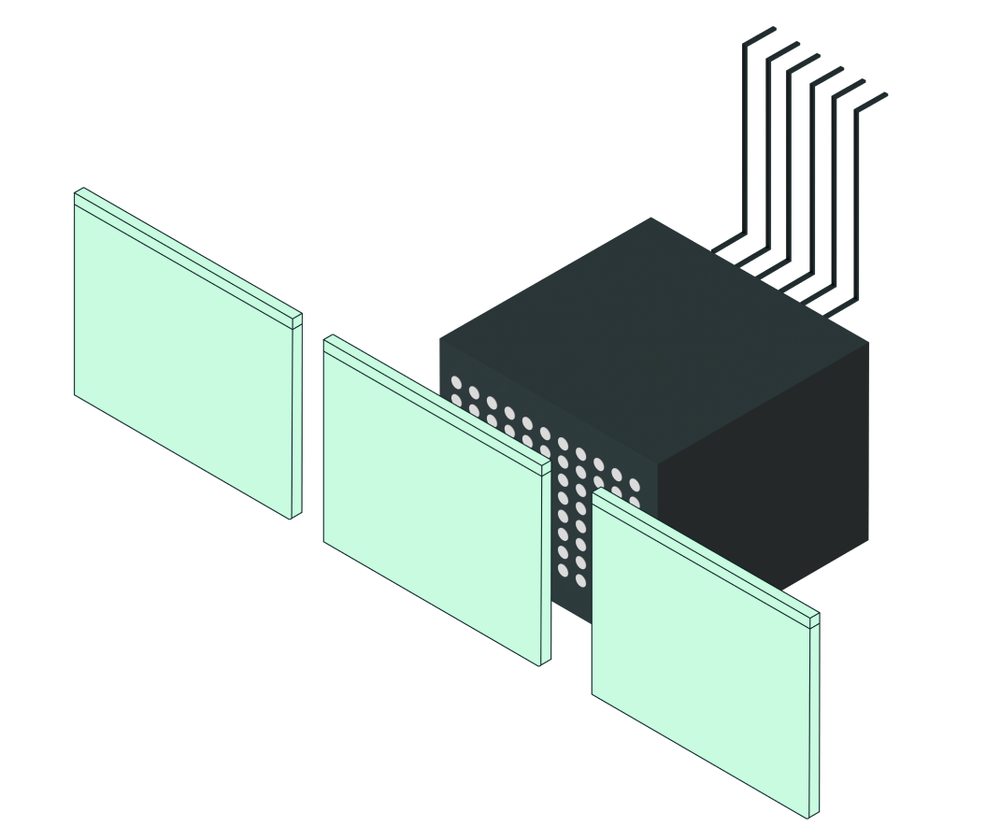
A combination of two leading backend and frontend technologies: Magento + Headless. Sellina combines Magento 2 on the backend and Headless on the frontend. The result? The Sellina system is more efficient, faster, and more secure, and its development is easier than solutions with similar capabilities.
Magento as the backend of the system
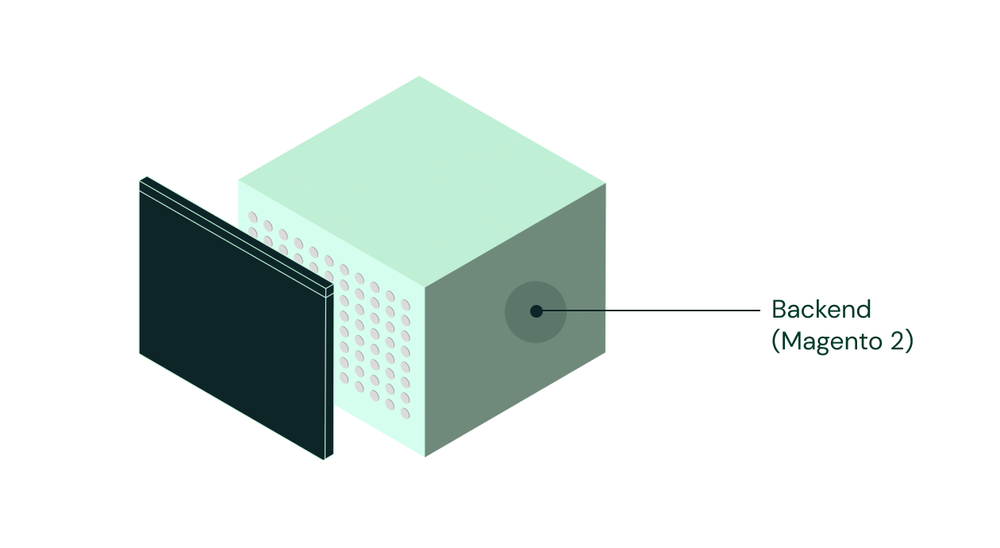
Backend system based on the Magento 2 engine, the most efficient and popular Open Source system available on the market.
Benefits of using Magento:
• any extensions and changes tailored to the business,
• performing any integrations,
• an extensive community of programmers and users creating the system, numbering over 300,000 people,
• over 5,660 plugins,
• high store efficiency,
• flexibility in expanding the system as the company's needs grow.
Headless frontend
• Headless store frontend, written in React – one of the two most popular frontend languages in the world.
• API based on the API Platform framework.
• Default infrastructure configuration.
Benefits of Headless solutions:
• Fast and smooth operation of the application,
• High level of data security,
• Popular programming language (easy to introduce new people to development),
• Possibility to create multiple websites on one product database.
integrations
Integration with applications.
We have implemented online stores based on Magento 2 , which we integrated with, among others, Comarch Optima, Comarch XL, SAP, Streamsoft Prestiż, Subiekt GT, Subiekt Nexo, WF–Mag, Symfonia, Akeneo, iMoje, Credit Agricole installments, ING leasing, Klarna, Przelewy24, PayNow, PayPal, Stripe.


Have any questions?
Let's talk about cooperation.
Why Cognize eCommerce B2B agency?
We specialize in digitizing B2B sales for medium-sized and large companies – manufacturers and distributors. Our offering is distinguished by three substantive pillars:

A consultant who cares about the quality of your project
Each project is led by an experienced consultant – a former e-commerce manager from the B2B industry. This ensures that the implementation is led by someone who understands the day-to-day operations, challenges, and needs of your company.
“Flexible Accelerators” that reduce implementation costs and time
When implementing systems, we use ready-made "accelerators." These are systems and modules we've developed ourselves, based on open technologies. They reduce costs and shorten implementation time while remaining fully configurable to your unique needs.
Narrow specialization = we have already completed a project similar to your needs
Over 100 completed projects have allowed us to understand the specifics of companies operating in the B2B (often combined with B2C) sector. As a result, we have reference implementations and customer reviews for 92% of our inquiries.
Inquiries
How does the request for quotation work?
We take responsibility for our clients' businesses.
Our approach and effective actions build partnerships that we mutually appreciate.
01
Contact and talk about the project
Contact us and explain your needs. We'll gather all your requirements and discuss your project together (in person or via video call).
02
Specification and planning
We'll work with you to develop project specifications during a workshop at your company. At the end of the meeting, we'll create documentation, a feature list, and a full project plan.
03
Offer and implementation
We will respond to your specifications and present our offer. We will begin the project with a kick-off meeting, during which we will introduce the experts from our dedicated team and present the work schedule.
Scoping process
and project budget (free of charge)

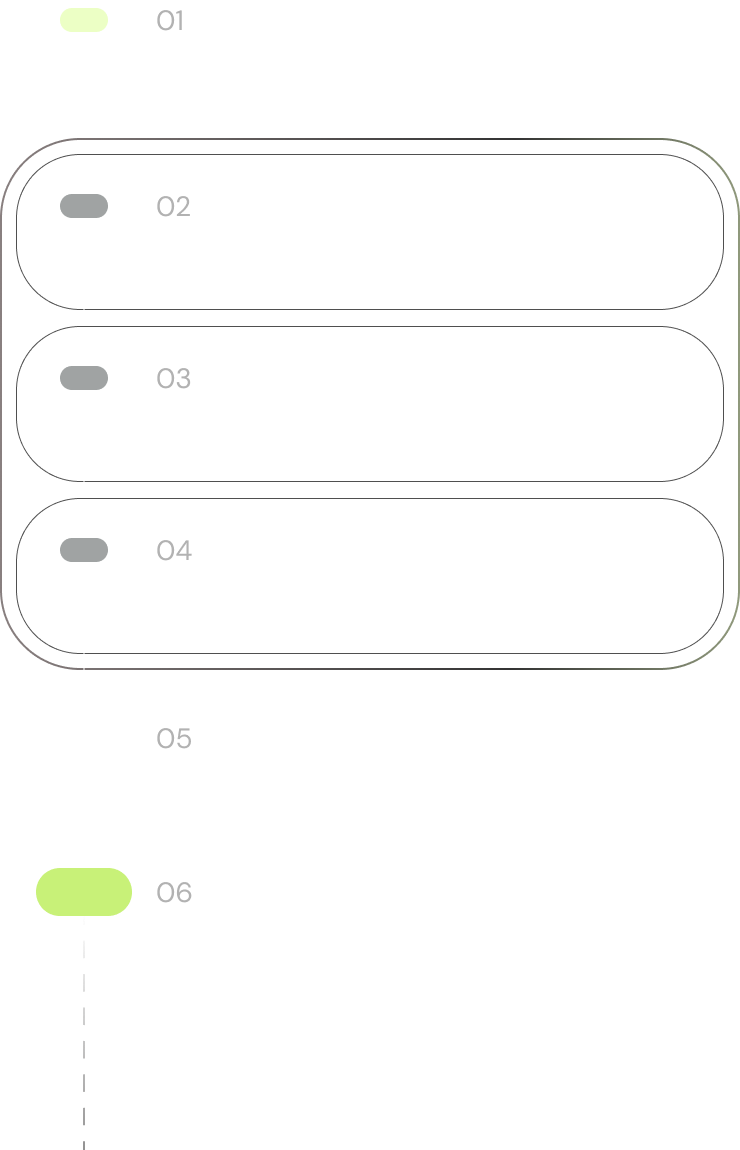
Pre-implementation analysis process
(about 4 weeks)

What else can we do for your company?
Cognize B2B eCommerce Agency - What do we do?
We offer services aimed at increasing revenue, optimizing processes and improving profitability.
Investment
Implementation and maintenance
integrations
Technology
B2B consulting
Not sure what system you need yet?
Before you decide on a specific technology, it's worth exploring which solution truly fits your sales model. Our experienced B2B eCommerce Manager consultants help companies choose the right direction—without predetermined answers. If you feel it's a good time for a consultation, learn what such a collaboration looks like.

Discover our selected projects
See all case studies
Experience
Experience in your industry
The electrical, heating, lighting, cosmetics, medical, motorcycle, automotive, FMCG, clothing, and sports industries are just some of the industries we have implemented. Ask about our experience in your industry.













What do our clients say about us?
Punctuality, flexibility, availability, professionalism (...)
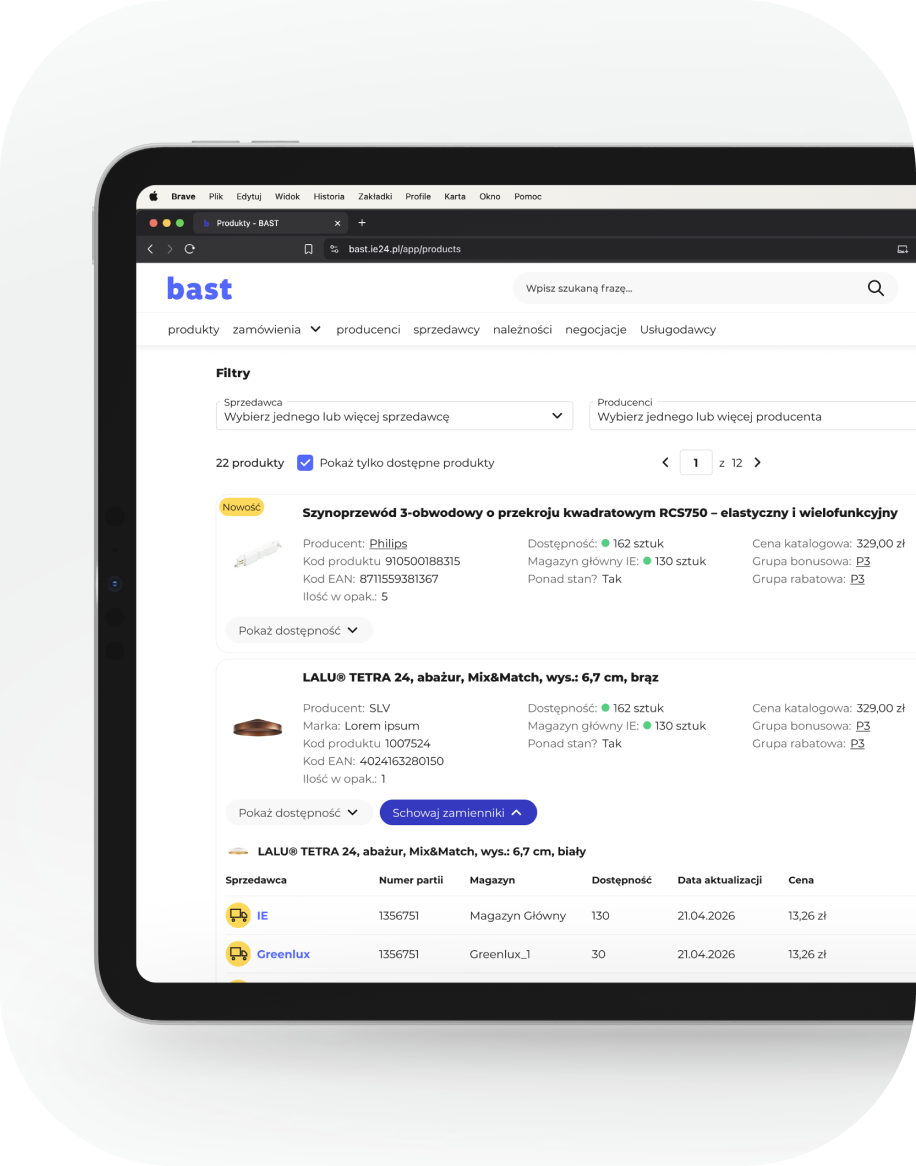
In 2017, we began working with Cognize (KMK Group) on the BAST system. Since then, the project has been developed and managed with exemplary skill. Cognize's (KMK Group) work is characterized by timeliness, flexibility, availability, professionalism, and, most importantly, the ability to present complex programming solutions in an accessible format.

This cooperation has resulted in our development and stability.
This cooperation has resulted in our development and stability, and the form of business contacts based on mutual trust is increasingly rare today, yet extremely effective.

(…) we can now easily and effectively manage our product catalog (…)
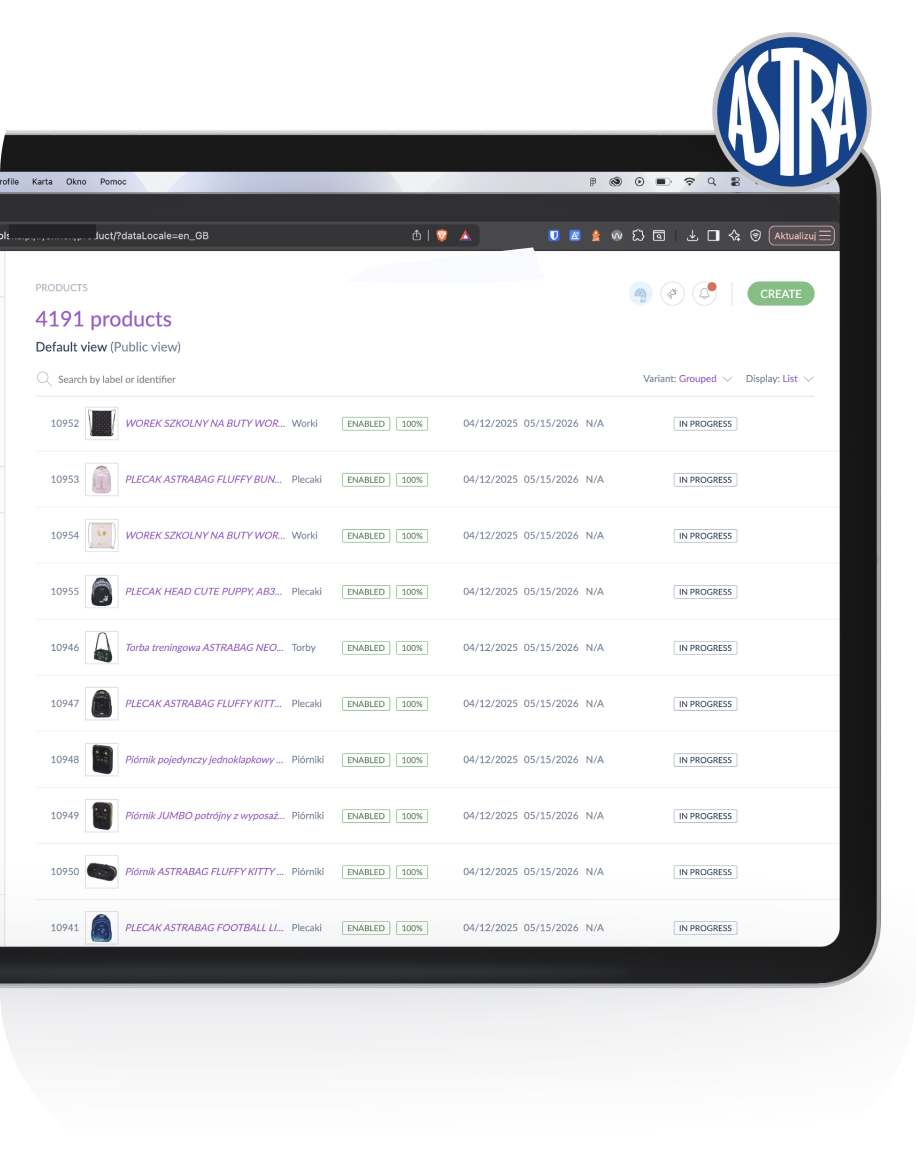
Cognize provided us with two services: Digital Sales Transformation Consulting and PIM Implementation. They provided the necessary know-how and demonstrated methods for various business process integrations with PIM systems. Thanks to their expertise, we can now easily and effectively manage our product catalog while minimizing implementation costs.

They helped us understand our needs and proposed the best solution based on the analysis results.
Our collaboration with Cognize began with a consultation. At this stage, they helped us understand our needs and proposed the best solution based on the analysis results. Cognize then began implementing the final system. The project was conducted with a high level of communication, on time, and, most importantly, with the Cognize team's ongoing initiative.

Immediately after opening the new store, we saw an immediate increase in sales.
After launching the new online store, sales immediately increased. The Cognize team (formerly KMK Group) was able to manage the project independently, working with minimal involvement from the snowboard brand. Their independence and communication skills were also impressive.

(...) we recorded a dynamic increase in our company's turnover
(...) The e-commerce platform they created not only meets all our expectations but also provides enormous opportunities for future technological development. Thanks to the solid technical architecture and innovative features, we have seen dynamic growth in our company's turnover, which we attribute directly to the functionality of the new website. Excellent communication and high availability of the team ensured we could count on support at every stage of the project. (...)

FAQ